
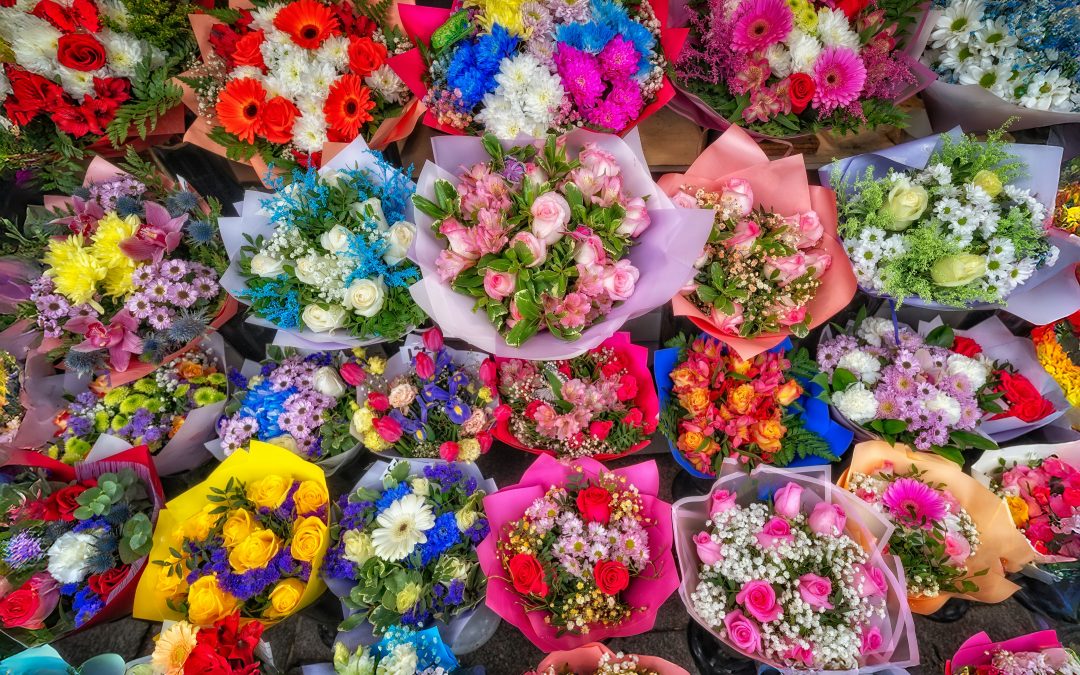
Korean-style flower bouquets are known for their dreamy, minimalist, and elegant look. You’ve probably seen them on Instagram — soft pastel blooms wrapped in muted paper, tied neatly with a satin ribbon. They look professionally made, but with a little patience, you can easily create one yourself. Whether it’s for a birthday, graduation, or just a thoughtful gift, learning how to make Korean flower bouquet is a fun and rewarding craft you can master at home.
What Makes Korean Bouquets Unique
Unlike traditional Western bouquets that focus on large blooms and tight arrangements, Korean bouquets embrace simplicity and balance. They often feature pastel-colored flowers, plenty of white space, and stylish wrapping paper with clean folds. The beauty lies in restraint — it’s elegant, soft, and effortlessly chic.
Popular flowers used in Korean bouquets include:
- Roses in pastel pink, ivory, or peach tones.
- Tulips for a modern and minimal look.
- Baby’s breath (gypsophila) for an airy touch.
- Eustoma or lisianthus for soft texture.
- Ranunculus or peonies for added fullness.
Step 1: Gather Your Materials
Before you begin, make sure you have everything ready. You’ll need:
- Fresh flowers (a mix of main and filler flowers)
- Greenery like eucalyptus or ruscus
- Floral tape or rubber bands
- Scissors or pruning shears
- Wrapping paper (Korean florists prefer matte paper in neutral or pastel tones)
- Double-sided tape
- Satin ribbon
You can find these materials at most flower shops or craft stores.
Step 2: Prepare the Flowers
Trim the flower stems at an angle under running water — this helps them absorb moisture better. Remove any leaves that will fall below the wrapping line to keep the bouquet clean and avoid water rot.
Group your flowers by type and color. Choose 3–5 main flowers (like roses or tulips) as the centerpiece and surround them with smaller blooms or filler flowers for volume. Korean bouquets usually have fewer flowers than Western ones, but the arrangement is more intentional.
Step 3: Build the Arrangement
Start by holding your focal flower in one hand. Add one or two supporting blooms around it at slightly different heights — this gives the bouquet depth and a more natural shape. Gradually add filler flowers and greenery around the edges.
Korean bouquets often feature asymmetry. Don’t worry about making it perfectly round. Instead, focus on creating a loose and natural look. Step back occasionally to check the overall shape and adjust if needed.
Once you’re happy with your arrangement, secure the stems tightly with floral tape or a rubber band about 2–3 inches from the base of the flowers.
Step 4: Prepare the Wrapping Paper
The wrapping is what gives Korean bouquets their signature look. Choose soft pastel or neutral paper — shades like beige, cream, blush pink, or grey work beautifully.
Cut two or three sheets of paper into squares or rectangles large enough to cover the stems. Layer the sheets diagonally so that each piece slightly overlaps the other. Place your bouquet on the paper so the flowers sit just above the top edge.
Fold the bottom corners inward toward the stems to create a V-shape. Then fold the sides around the bouquet, adjusting until you like how it looks. Use double-sided tape to secure the paper neatly at the back.
For a chic, modern touch, you can wrap the bouquet with two layers of contrasting paper — one matte and one transparent. This layering style is very popular in Korean floristry.
Step 5: Add the Finishing Touches
Once wrapped, tie a satin ribbon around the base to complete the look. Choose a ribbon color that matches your paper — white, blush, or nude tones are elegant choices. You can also add a small tag or card with a handwritten message for a personal touch.
If you want your bouquet to last longer, insert a damp tissue or cotton pad around the stems before wrapping. Cover it with plastic wrap to keep moisture in without wetting the paper.
Step 6: Presentation and Styling Tips
Korean flower bouquets are as much about presentation as they are about the flowers. Here are a few styling tips to make your bouquet look professional:
- Keep the color palette soft and cohesive — avoid mixing too many bright or clashing colors.
- Use uneven numbers of flowers (like 3 or 5 main blooms) — this creates a more balanced and natural composition.
- Add airy space between blooms instead of crowding them together.
- Tilt the bouquet slightly to one side when wrapping for a graceful, modern shape.
You can also experiment with using dried flowers, pampas grass, or minimal green stems for a trendy, long-lasting version.
When to Gift a Korean Bouquet
These bouquets are perfect for birthdays, graduations, anniversaries, and special milestones. They’re also popular for photoshoots, café openings, and minimalist wedding decor. The understated charm makes them suitable for both formal and casual occasions.
In Korea, giving flower bouquets is also a way to express appreciation or affection. The simplicity of the design reflects sincerity and thoughtfulness rather than extravagance.
Common Mistakes to Avoid
- Overcrowding the flowers: Korean bouquets focus on minimalism, so less is more.
- Using too many colors: Stick to two or three complementary shades for a clean look.
- Ignoring stem length: Trim stems evenly so the bouquet stands neatly and looks balanced.
- Messy wrapping: Smooth, clean folds are what define the Korean bouquet style.
Final Thoughts
Now that you know how to make Korean flower bouquet, you can create one anytime — whether for a gift or just to brighten your space. The secret lies in simplicity: soft colors, neat wrapping, and a balanced arrangement.
You don’t need professional tools or training; just a little creativity and patience. Once you try it, you’ll see how relaxing and rewarding it is to craft something beautiful by hand.