
Flowers have a unique way of expressing emotions when words are not enough. Whether you’re celebrating a birthday, sending sympathy, marking an anniversary, or simply brightening someone’s day, the flowers you choose often carry a deeper message than their beauty alone. For centuries, different blooms have been associated with specific meanings, allowing people to communicate feelings through thoughtful floral arrangements.
Understanding the meaning behind popular flower types can help you select bouquets that feel more personal and meaningful. While flower symbolism has evolved across different cultures, many traditional meanings remain widely recognized today.
According to the Society of American Florists, flowers continue to be one of the most popular gifts for holidays, celebrations, and special occasions because they help people express emotions in a thoughtful and memorable way.
Let’s explore the symbolism behind some of the world’s most beloved flowers and discover how to choose the right blooms for every occasion.
Why Flower Meanings Matter
Flower symbolism, often called the “language of flowers,” became especially popular during the Victorian era. People used bouquets to send messages that could not always be spoken openly.
Today, choosing flowers based on their meanings adds another layer of thoughtfulness to any gift.
Instead of selecting flowers based only on appearance, you can match them to the emotions or message you want to share.
Roses Represent Love and Devotion
When discussing the meaning behind popular flower types, roses are usually the first flowers that come to mind.
Different rose colors carry different meanings:
- Red roses symbolize romantic love and passion.
- White roses represent purity and new beginnings.
- Pink roses express admiration and gratitude.
- Yellow roses symbolize friendship and joy.
- Orange roses represent enthusiasm and excitement.
Because of their versatility, roses remain one of the most gifted flowers worldwide.
Lilies Symbolize Purity and Renewal
Lilies are elegant flowers that appear in many celebrations and memorial services.
Common meanings include:
- Purity
- Hope
- Renewal
- Devotion
- Peace
White lilies are especially associated with sympathy and remembrance, while colorful lilies often represent happiness and prosperity.
Their graceful appearance makes them suitable for both joyful and reflective occasions.
Sunflowers Stand for Happiness and Positivity
Sunflowers instantly brighten any room with their large golden blooms.
Their symbolism often includes:
- Optimism
- Loyalty
- Strength
- Warmth
- Happiness
Because sunflowers naturally turn toward sunlight during their growth, they are often seen as symbols of hope and resilience.
They make wonderful gifts for celebrations, graduations, or anyone starting a new chapter in life.
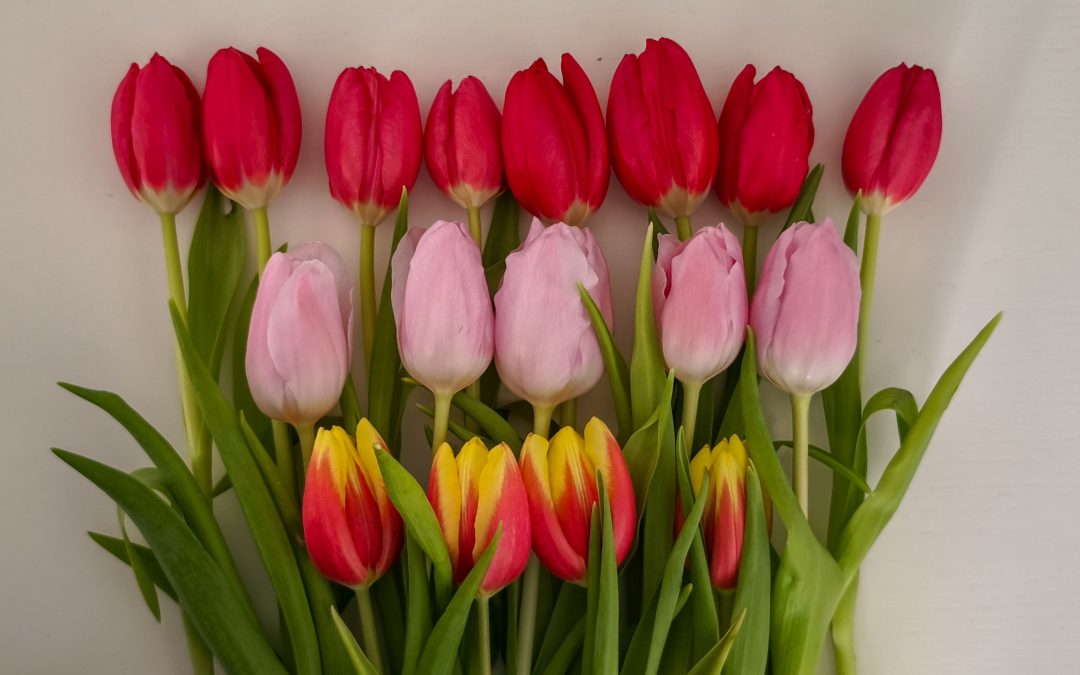
Tulips Express Affection and Fresh Beginnings
Tulips are among the first flowers to bloom in spring, making them natural symbols of renewal.
Popular tulip meanings include:
- Red tulips for deep love
- Yellow tulips for cheerful thoughts
- Purple tulips for admiration
- White tulips for forgiveness
- Pink tulips for caring and affection
Their simple beauty makes them suitable for almost any occasion.
Daisies Represent Innocence and Cheerfulness
Daisies have long been associated with youthful happiness and fresh starts.
They commonly symbolize:
- Innocence
- Loyalty
- New beginnings
- Joy
- Simplicity
Their bright appearance makes them especially popular in spring bouquets and casual floral arrangements.
Orchids Symbolize Elegance and Luxury
Among the most sophisticated blooms, orchids often represent refinement and beauty.
Their symbolism includes:
- Elegance
- Success
- Fertility
- Strength
- Respect
Because orchids bloom for an extended period with proper care, they are often chosen as lasting gifts.
Their modern appearance also makes them popular in home décor.
Carnations Carry Different Meanings by Color
Carnations are affordable, long-lasting flowers with surprisingly rich symbolism.
Color meanings include:
- Red for admiration
- White for pure love and good luck
- Pink for gratitude
- Purple for uniqueness
- Yellow for friendship in some traditions, though historical meanings can vary
Carnations are frequently included in mixed bouquets because they pair well with many other flowers.
Peonies Represent Prosperity and Romance
Peonies are admired for their full, luxurious blooms.
They often symbolize:
- Romance
- Good fortune
- Prosperity
- Happy marriage
- Honor
Because of these meanings, peonies are especially popular in wedding bouquets and anniversary celebrations.
Their short blooming season also makes them feel extra special.
Hydrangeas Reflect Gratitude and Understanding
Hydrangeas create large, colorful clusters that add elegance to gardens and floral arrangements.
Their meanings often include:
- Gratitude
- Understanding
- Sincere emotion
- Abundance
Depending on cultural traditions, hydrangeas may carry additional symbolism, making them a thoughtful choice for heartfelt occasions.
Lavender Represents Calm and Serenity
Lavender is valued not only for its appearance but also for its soothing fragrance.
It commonly symbolizes:
- Calmness
- Peace
- Healing
- Devotion
- Relaxation
Its pleasant scent has made lavender a favorite ingredient in essential oils, sachets, and wellness products.
Mixing Flowers Creates Meaningful Bouquets
Understanding the meaning behind popular flower types allows you to combine blooms that tell a unique story.
For example:
- Roses and lilies can express love and devotion.
- Sunflowers and daisies create a cheerful celebration bouquet.
- Tulips and peonies symbolize fresh beginnings and lasting happiness.
- Lavender paired with hydrangeas offers a thoughtful message of peace and appreciation.
Thoughtful combinations often make floral gifts even more memorable.
Remember That Culture Can Influence Flower Meanings
Although many flower meanings are widely recognized, symbolism sometimes varies across cultures.
For instance, white flowers represent weddings and purity in some countries, while they may be associated with remembrance in others.
When sending flowers internationally, it is helpful to consider local customs and traditions.
Adding a personal note explaining your choice can also make your intentions clear.
Choosing Flowers with Confidence
The beauty of flower symbolism is that there is rarely one perfect answer.
Instead, think about:
- The occasion
- The recipient’s favorite flowers
- Preferred colors
- Personal memories
- The message you want to express
Combining symbolism with personal preferences creates gifts that feel genuine and heartfelt.
Conclusion
Learning the meaning behind popular flower types adds depth and thoughtfulness to every bouquet you give or receive. From the timeless romance of roses to the cheerful optimism of sunflowers and the graceful elegance of orchids, each flower tells its own story.
The next time you choose flowers for a celebration, a thank-you gift, or a simple act of kindness, consider the message hidden within each bloom. By understanding the meaning behind popular flower types, you can create floral arrangements that are not only beautiful but also rich with meaning and lasting memories.