
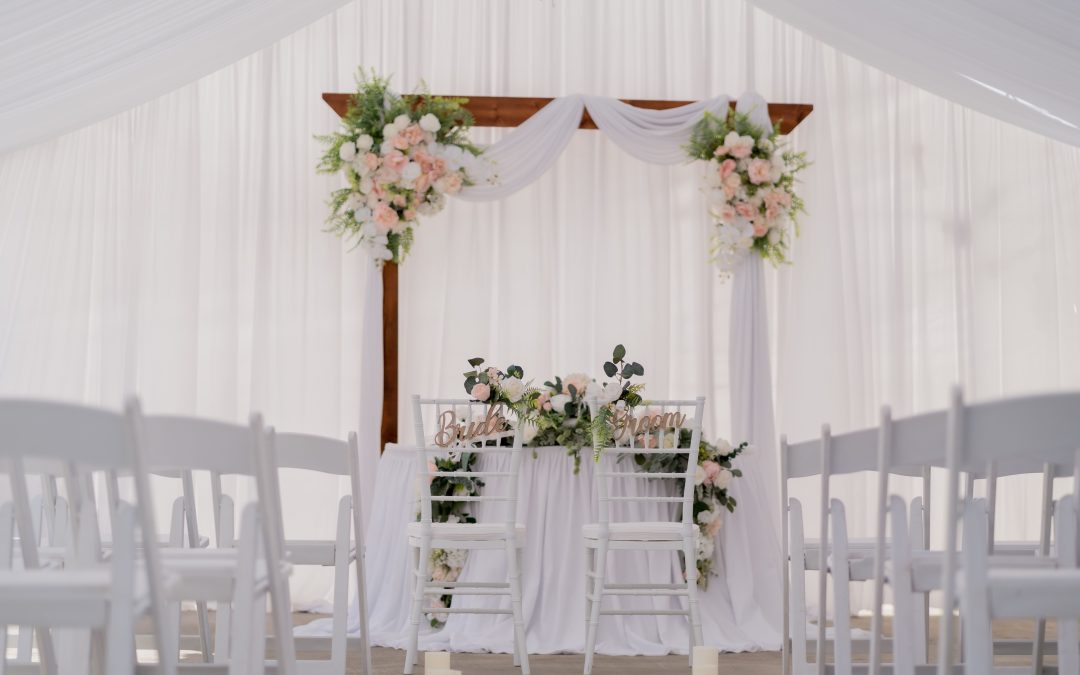
Flowers have a special way of transforming a wedding. They add color, fragrance, texture, and personality while tying together every part of your celebration. From the bridal bouquet to the ceremony arch and reception centerpieces, the right floral arrangements can make your wedding feel elegant, romantic, or modern depending on your vision.
If you’re wondering how to choose flowers for your wedding, you’re not alone. With hundreds of flower varieties, endless color combinations, and different arrangement styles available, making a decision can feel overwhelming. Fortunately, a little planning can help you choose blooms that suit your style, budget, and season.
According to The Knot Real Weddings Study, flowers and décor remain among the most important visual elements couples invest in because they help create the atmosphere guests remember. Choosing blooms thoughtfully allows you to create a cohesive look without overspending.
Let’s explore how to select wedding flowers that perfectly complement your big day.
Start with Your Wedding Style
Before choosing specific flowers, think about your overall wedding theme.
Ask yourself questions like:
- Is your wedding classic?
- Rustic?
- Modern?
- Bohemian?
- Garden-inspired?
- Beachside?
Your floral choices should reflect the atmosphere you want to create.
For example, romantic garden weddings often feature soft, flowing arrangements, while modern celebrations may use clean lines and minimalist bouquets.
Consider Your Wedding Color Palette
Flowers should complement the colors used throughout your wedding.
Think about coordinating with:
- Bridesmaid dresses
- Table linens
- Invitations
- Ceremony décor
- Reception decorations
A cohesive palette helps every design element work together beautifully.
Neutral flowers also blend easily with almost any wedding style.
Choose Flowers That Are in Season
One of the smartest decisions when learning how to choose flowers for your wedding is selecting blooms that are naturally in season.
Seasonal flowers are often:
- More readily available
- Fresher
- More affordable
- Better quality
Examples include:
Spring:
- Tulips
- Daffodils
- Peonies
Summer:
- Roses
- Sunflowers
- Dahlias
Fall:
- Chrysanthemums
- Marigolds
- Zinnias
Winter:
- Amaryllis
- Camellias
- Ranunculus
Your florist can recommend seasonal alternatives if your favorite flowers are unavailable.
Set a Realistic Floral Budget
Flowers can represent a meaningful part of your wedding budget.
Before meeting with a florist, decide how much you’re comfortable spending.
Prioritize arrangements that matter most to you, such as:
- Bridal bouquet
- Ceremony flowers
- Reception centerpieces
Keeping your budget clear from the beginning helps guide every decision.
Think Beyond the Bouquet
Wedding flowers are used throughout the celebration.
Common floral arrangements include:
- Bridal bouquet
- Bridesmaid bouquets
- Boutonnieres
- Corsages
- Ceremony arch flowers
- Aisle arrangements
- Reception centerpieces
- Cake flowers
- Welcome table arrangements
Planning for every location creates a consistent look.
Learn About Popular Wedding Flowers
Some flowers remain favorites because of their beauty and versatility.
Popular options include:
- Roses
- Peonies
- Hydrangeas
- Garden roses
- Lisianthus
- Orchids
- Ranunculus
- Dahlias
Each flower offers a unique texture and appearance, allowing endless design possibilities.
Add Greenery for Texture
Greenery has become a popular part of modern wedding floral design.
Common choices include:
- Eucalyptus
- Olive branches
- Ferns
- Ruscus
- Ivy
Greenery adds movement while helping arrangements appear fuller.
It can also help stretch your floral budget without sacrificing elegance.
Match Flowers to Your Venue
Your venue should influence your floral selections.
For example:
Garden venue:
- Soft romantic blooms
- Natural greenery
Ballroom:
- Elegant large centerpieces
- Luxurious floral displays
Beach wedding:
- Tropical flowers
- Bright colors
- Lightweight arrangements
Choosing flowers that suit the surroundings creates a harmonious atmosphere.
Consider Flower Meanings
Some couples enjoy selecting flowers with symbolic meanings.
For example:
- Roses represent love.
- Peonies symbolize happiness and prosperity.
- Lilies often represent purity.
- Sunflowers symbolize joy and optimism.
While symbolism is optional, it can add a meaningful personal touch.
Balance Size and Simplicity
Bigger arrangements are not always better.
Sometimes smaller, carefully designed bouquets create a more timeless appearance.
Focus on quality, proportion, and balance rather than sheer size.
Elegant simplicity often photographs beautifully.
Work with an Experienced Florist
Professional florists can guide you through the design process.
They can recommend:
- Seasonal flowers
- Budget-friendly alternatives
- Color combinations
- Long-lasting blooms
- Arrangement styles
Sharing inspiration photos can help communicate your vision while allowing room for creative expertise.
Think About Flower Durability
Some flowers tolerate heat better than others.
If your ceremony or photography session takes place outdoors, choose blooms that hold up well in your local weather conditions.
Your florist can recommend varieties suited to warm, cool, humid, or dry climates.
Don’t Be Afraid to Mix Flowers
One of the most beautiful approaches to how to choose flowers for your wedding is combining several flower varieties.
Mixing different flowers creates:
- More texture
- Greater visual interest
- Natural movement
- Richer color variation
Well-balanced mixed bouquets often appear fuller and more dynamic than single-flower arrangements.
Personalize Your Floral Design
Your flowers should reflect your personality.
Personal touches might include:
- Family heirloom ribbons
- Favorite flower varieties
- Meaningful colors
- Locally grown blooms
- Seasonal accents
Small details often make your wedding feel even more special.
Common Mistakes to Avoid
When deciding how to choose flowers for your wedding, avoid these common mistakes:
- Ignoring the season
- Waiting too long to book a florist
- Choosing flowers only from online photos
- Forgetting transportation and setup needs
- Overcrowding arrangements
- Overlooking the venue’s existing décor
Careful planning helps everything come together smoothly.
Conclusion
Learning how to choose flowers for your wedding is about balancing beauty, practicality, and personal style. By considering your wedding theme, venue, budget, seasonal availability, and favorite colors, you can create floral arrangements that perfectly complement your celebration.
Whether you choose timeless roses, romantic peonies, elegant orchids, or colorful seasonal blooms, your flowers should tell your story and enhance the atmosphere of your special day. Thoughtful floral planning helps create memories and photographs you’ll treasure for a lifetime.