
Flowers have a way of making every moment feel a little more special. Whether you’re celebrating a birthday, attending a wedding, expressing sympathy, or simply brightening someone’s day, the right floral arrangement can communicate emotions that words sometimes cannot.
The challenge is that not every bouquet fits every occasion. Colors, flower types, arrangement styles, and even vase choices can influence the message you’re sending. If you’ve ever stood in front of dozens of beautiful options wondering which one to choose, you’re not alone.
This guide will show you exactly how to choose floral arrangements for any occasion so you can confidently pick flowers that feel thoughtful, appropriate, and memorable.
Why Floral Arrangements Matter
Flowers have been used to mark important occasions for centuries. Different flowers and colors often carry symbolic meanings, helping people express gratitude, love, celebration, sympathy, and friendship.
According to the Society of American Florists, flowers are among the most popular gifts for major holidays and personal celebrations because they create an immediate emotional impact. Their beauty, fragrance, and symbolism make them a timeless way to connect with others.
When you understand the basics of flower selection, your gift becomes much more meaningful.
Consider the Occasion First
The first step in learning how to choose floral arrangements for any occasion is understanding the purpose behind the flowers.
Ask yourself:
- Is this a celebration?
- Is it a romantic gesture?
- Are you expressing sympathy?
- Is it a professional or corporate event?
- Is it simply a thoughtful surprise?
The occasion sets the tone for everything else, from flower selection to color palette.
For example:
- Birthdays often feature bright and cheerful blooms.
- Weddings usually call for elegant and coordinated arrangements.
- Sympathy flowers tend to use softer colors and understated designs.
- Corporate events often benefit from sophisticated arrangements with a professional appearance.
Starting with the purpose helps narrow down your options quickly.
Match Flowers to the Recipient’s Personality
One of the best ways to make flowers feel personal is to think about the person receiving them.
Consider:
- Their favorite color
- Their favorite flowers
- Their decorating style
- Their personality
A person who loves bold colors may appreciate vibrant sunflowers or mixed tropical arrangements. Someone with a minimalist style might prefer elegant white lilies or simple rose arrangements.
The more the flowers reflect the recipient’s taste, the more meaningful the gift becomes.
Understand Flower Meanings
While flower symbolism is not a strict rule, understanding common meanings can help you make thoughtful choices.
Some popular examples include:
- Roses: Love, admiration, and appreciation
- Lilies: Purity, remembrance, and elegance
- Sunflowers: Happiness and positivity
- Orchids: Beauty, luxury, and strength
- Tulips: Affection and cheerful wishes
- Carnations: Love, admiration, and gratitude
Choosing flowers based on their traditional meanings can add an extra layer of thoughtfulness to your arrangement.
Choose Colors Carefully
Color plays a major role in floral design and can influence the message your arrangement conveys.
Here are some common color associations:
- Red: Love, passion, and respect
- Pink: Admiration, gratitude, and joy
- White: Purity, peace, and remembrance
- Yellow: Friendship, happiness, and positivity
- Purple: Elegance, admiration, and creativity
- Orange: Energy, enthusiasm, and excitement
For celebrations, brighter colors often work well. For sympathy arrangements, softer and more muted tones are generally preferred.
When in doubt, neutral and classic color combinations are usually safe choices.
Select the Right Arrangement Style
Another important factor in how to choose floral arrangements for any occasion is selecting the appropriate style.
Popular arrangement styles include:
Traditional Bouquets
These are versatile and suitable for birthdays, anniversaries, and thank-you gifts. They often feature a balanced mix of flowers and greenery.
Vase Arrangements
These arrive ready to display and are ideal for recipients who may not have a vase available.
Basket Arrangements
Basket designs create a warm, welcoming appearance and work well for celebrations, sympathy gifts, and special occasions.
Modern Floral Designs
These arrangements often feature clean lines and unique flower placements. They are excellent choices for corporate events and contemporary settings.
Centerpieces
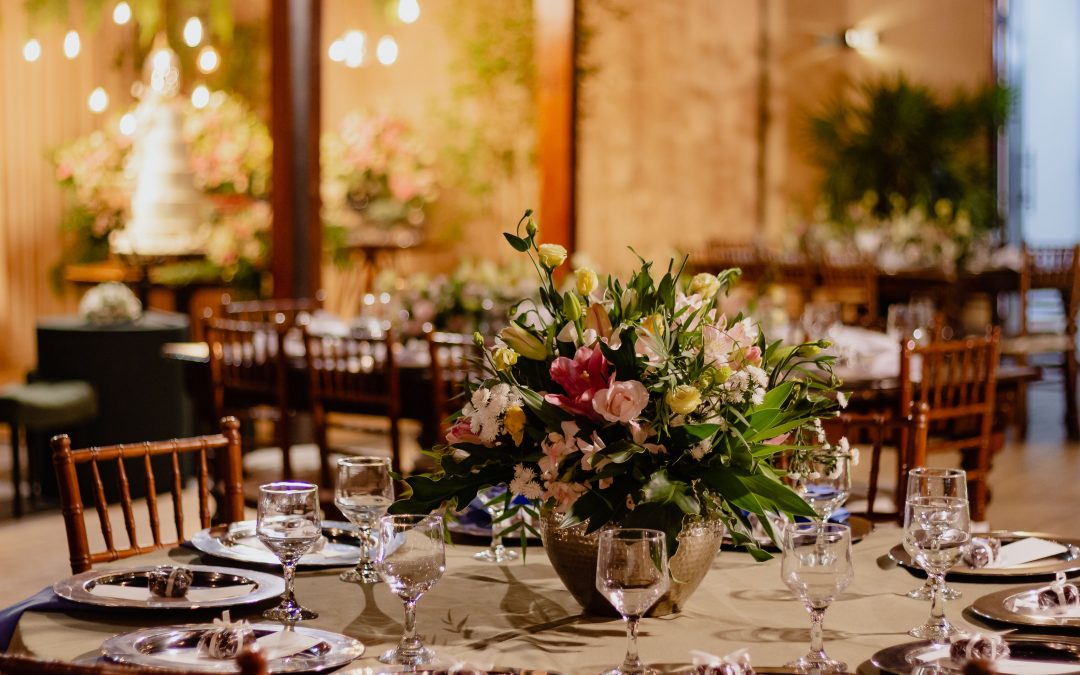
Designed for dining tables or event displays, centerpieces are commonly used for weddings, holidays, and formal gatherings.
Choosing the right style ensures the flowers fit both the occasion and the environment.
Consider Seasonal Flowers
Seasonal flowers often look fresher, last longer, and may offer better value.
Popular seasonal blooms include:
Spring
- Tulips
- Daffodils
- Hyacinths
Summer
- Sunflowers
- Dahlias
- Zinnias
Fall
- Chrysanthemums
- Marigolds
- Celosia
Winter
- Amaryllis
- Roses
- Paperwhites
Seasonal arrangements also help create a natural connection to the time of year and often reflect current floral trends.
Think About the Event Location
The location where the flowers will be displayed matters more than many people realize.
For example:
- Hospital rooms may require smaller arrangements.
- Offices often benefit from elegant, low-maintenance designs.
- Large event venues can accommodate dramatic centerpieces.
- Homes may need arrangements that fit dining tables, entryways, or living rooms.
The size and style of the arrangement should complement the space rather than overwhelm it.
Set a Realistic Budget
Beautiful floral arrangements are available at nearly every price point.
A thoughtful arrangement does not have to be expensive to make an impact. Many florists can create stunning designs using seasonal blooms and creative combinations.
When discussing your budget, be clear about your spending range and priorities. Florists can often recommend alternatives that maintain the overall look while staying within budget.
Remember, thoughtful flower selection often matters more than the size of the arrangement.
Work with a Trusted Florist
If you’re unsure where to start, a professional florist can be a valuable resource.
Provide details such as:
- The occasion
- Your budget
- Preferred colors
- Favorite flowers
- Delivery requirements
Experienced florists understand flower availability, design principles, and current trends. Their expertise can help you create a beautiful arrangement that feels appropriate and meaningful.
Common Mistakes to Avoid
When choosing flowers, try to avoid these common errors:
- Ignoring the recipient’s preferences
- Selecting colors that don’t fit the occasion
- Ordering too late for important events
- Choosing arrangements that are too large for the space
- Overlooking seasonal flower availability
A little planning can help ensure your arrangement has the desired impact.
Conclusion
Learning how to choose floral arrangements for any occasion becomes much easier when you focus on the purpose, recipient, colors, flower meanings, and setting. Whether you’re celebrating a joyful milestone, expressing sympathy, or simply making someone smile, the right flowers can leave a lasting impression.
The next time you’re selecting blooms, take a few extra moments to consider the message you want to send. A thoughtfully chosen floral arrangement is more than a gift. It is a meaningful gesture that helps create memorable moments and stronger connections.